
Science
Rigel and the Witch Head Nebula
The Witch Head Nebula, or IC 2118, is a 50-light-year-wide cloud of gas and dust in the constellation Orion, illuminated by the star Rigel through the process of light scattering.
The Witch Head Nebula, or IC 2118, is a 50-light-year-wide cloud of gas and dust in the constellation Orion, illuminated by the star Rigel through the process of light scattering.
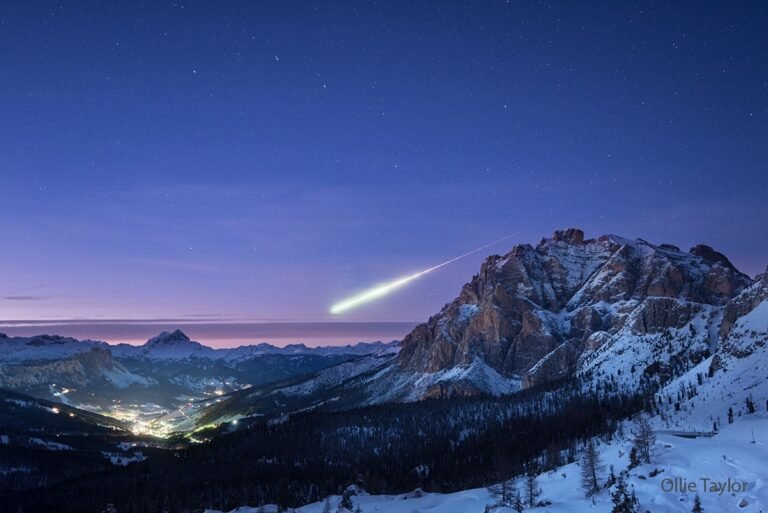
A 2017 photograph of a major fireball meteor over the Italian Dolomites is featured as the Astronomy Picture of the Day. The event was one of the most reported fireball sightings in history and linked to the Northern Taurid Meteor Shower.
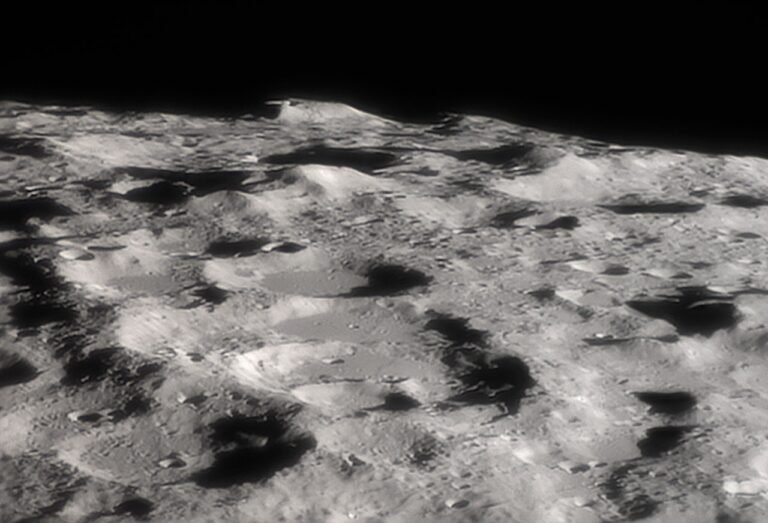
A telescopic image captured on October 31 shows the De Gerlache-Kocher massif, a 4-kilometer-high lunar formation near the south pole being considered for future Artemis landing sites.
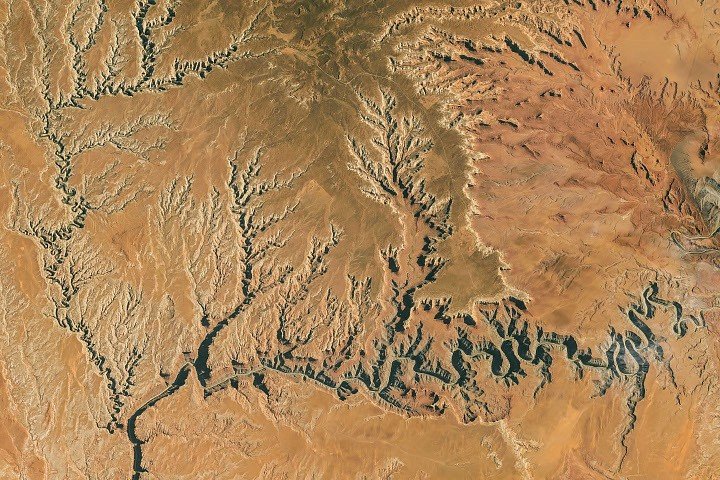
An astronaut aboard the International Space Station captured images of the San Juan River's entrenched meanders in Utah on October 6, 2026. The river carves through 1,000-foot deep canyons, creating extreme horseshoe-shaped bends.
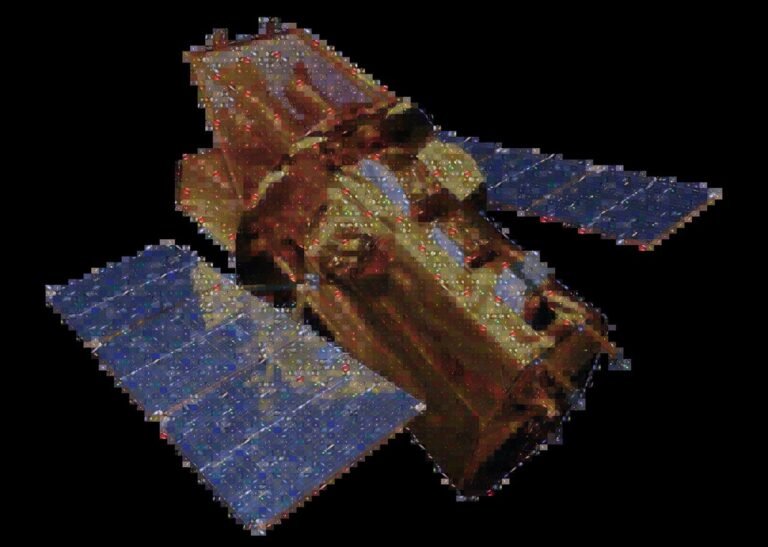
NASA’s Neil Gehrels Swift Observatory re-entered Earth’s atmosphere on November 4, 2026, over Indonesia, ending a nearly 22-year mission focused on studying high-energy cosmic explosions.
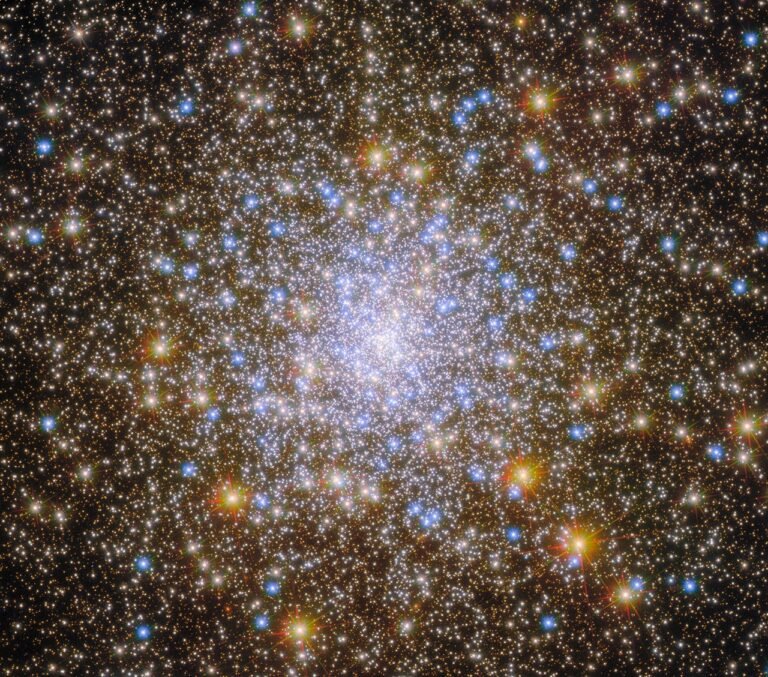
Data from the Hubble Space Telescope on globular star cluster Messier 30 provides clues about the history and evolution of the Milky Way galaxy.
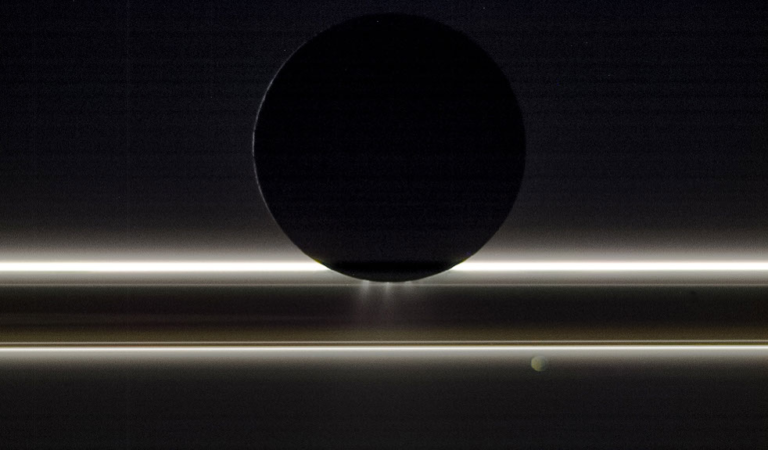
A 2009 Cassini spacecraft image shows Saturn's moon Enceladus in silhouette, highlighting icy plumes erupting from its south pole that are linked to a subsurface ocean.
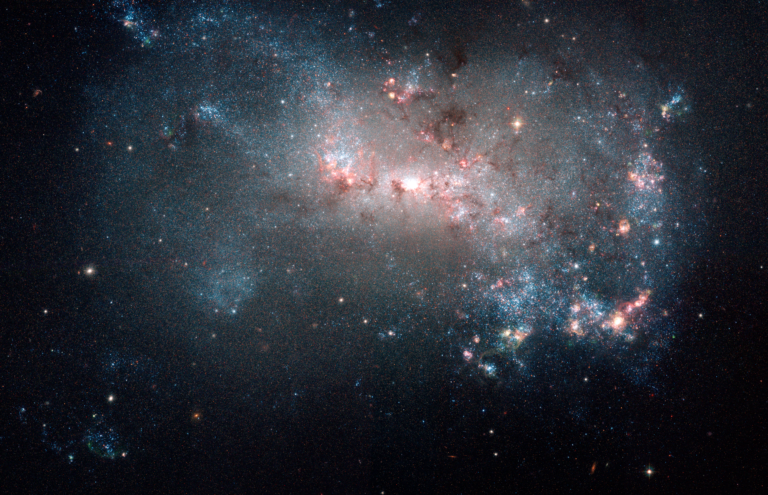
Researchers using NASA's Hubble Space Telescope found that nearby dwarf galaxies hold onto only a small fraction of their oxygen.
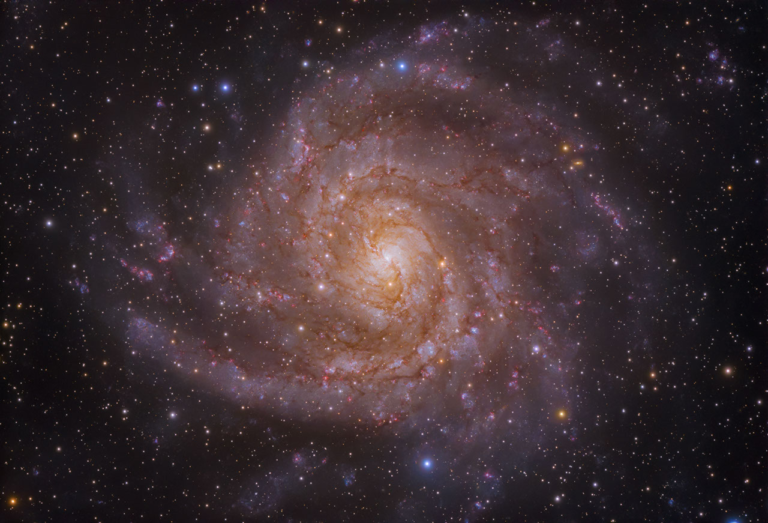
NASA's Astronomy Picture of the Day on November 4, 2026, highlights IC 342, revealing the spiral galaxy through the Milky Way.
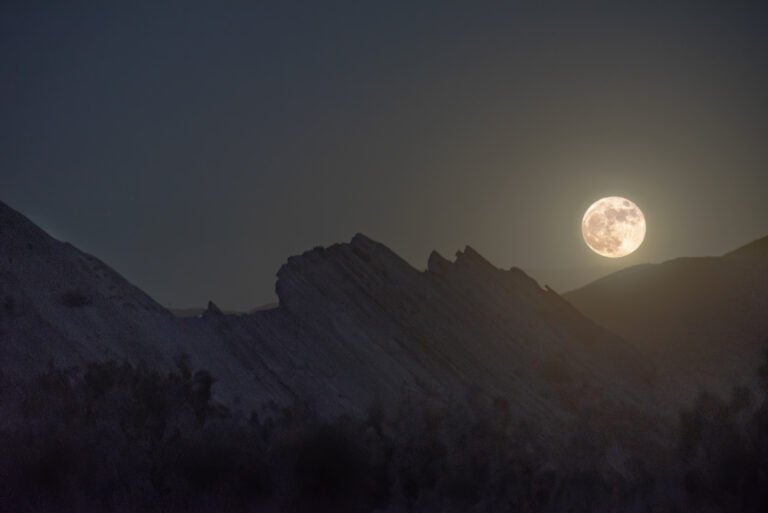
NASA highlights November 2026 skywatching events, including Taurid and Leonid meteor showers, a close Mars-Jupiter pairing, Voyager 1's light-day milestone, and a supermoon.

Researchers using NASA's Hubble Space Telescope found that 37 nearby dwarf galaxies are missing much of their expected oxygen, ejected by supernovae.
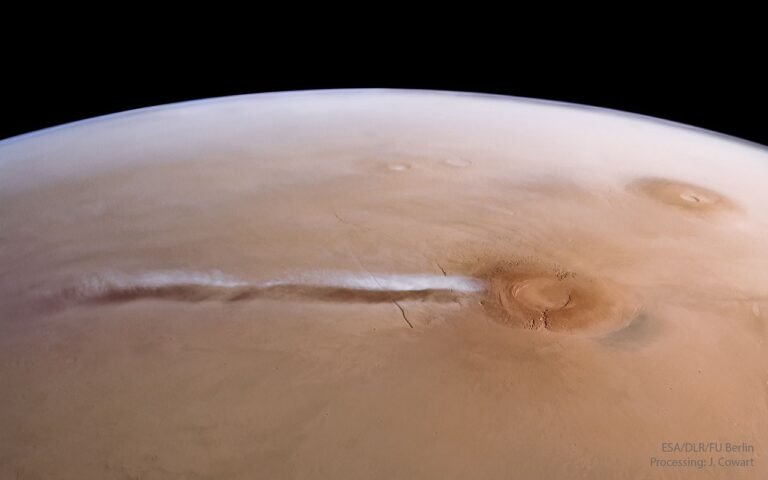
NASA explores the Arsia Mons Elongated Cloud on Mars, a water-ice formation that stretches over 1500 kilometers and appears only during Martian spring and summer mornings.
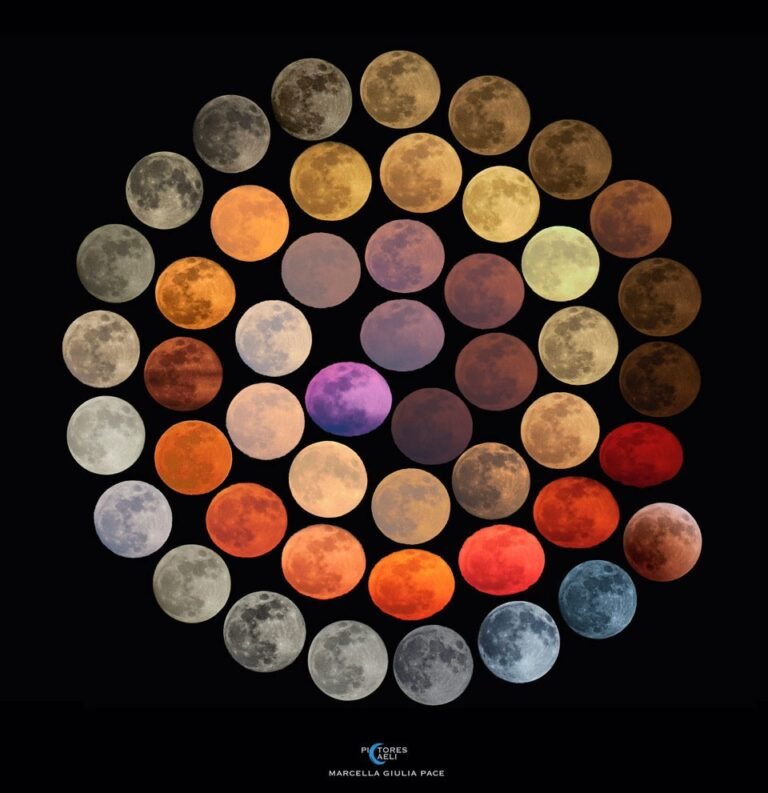
Astrophotographer Marcella Giulia Pace documented the full moon in various apparent colors over 10 years across Italy, highlighting how Earth's atmosphere changes its look from brown-tinged gray to red, yellow, rare blue, and eclipse red.

A photograph taken in Iceland's Hverir geothermal area on October 31, 2026, captures northern lights caused by a geomagnetic storm, highlighting the planet's current high level of solar activity.

A new astronomical image captures the Ghost Nebula and the Iris Nebula within the Cepheus Flare, showcasing star formation and light reflection in deep space.

NASA's Hubble and Webb space telescopes have captured detailed views of the Cat's Head Nebula, a star-forming region 7,500 light-years away in the Carina Nebula, shedding light on the complex process of stellar birth.
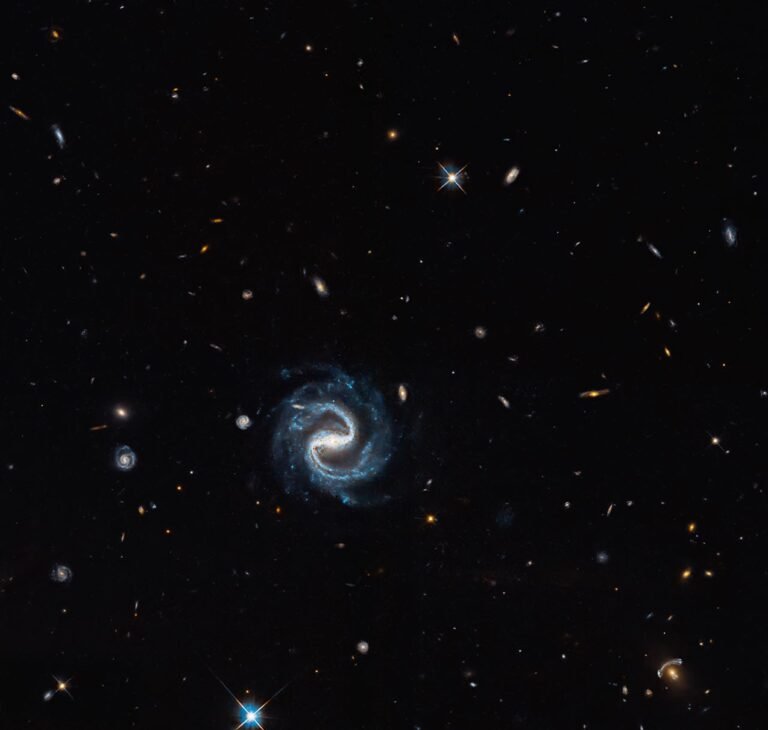
NASA's Hubble Space Telescope captured a sweeping barred galaxy and gravitational lensing on Oct. 22, 2026, to prepare for the Nancy Grace Roman Space Telescope.
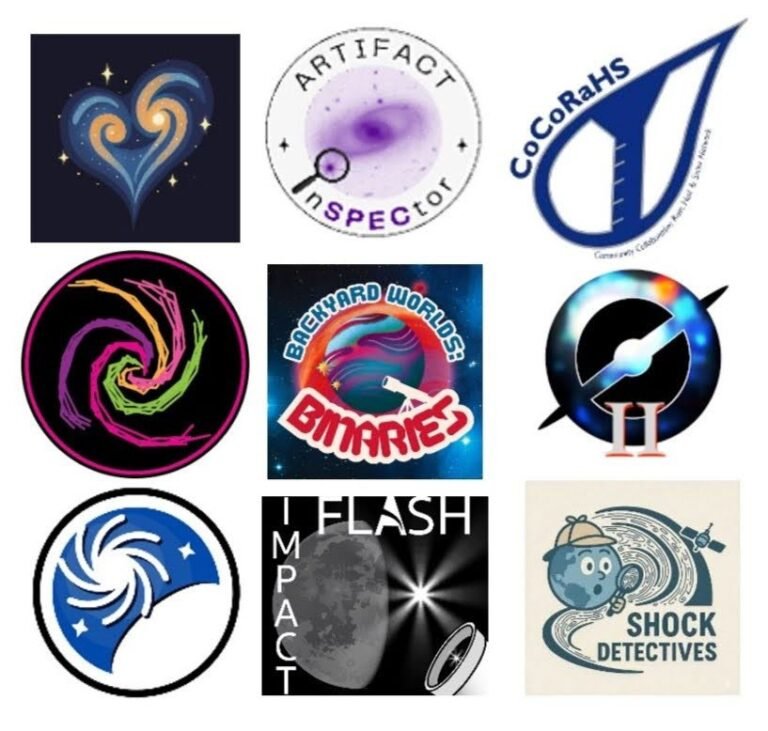
NASA has selected 19 new citizen science and education proposals for 2026, expanding public participation in astrophysics, heliophysics, and planetary research.