NASA’s Neil Gehrels Swift Observatory re-entered Earth’s atmosphere on November 4 at 7:39 EST, concluding nearly 22 years of service. The satellite’s descent occurred over the North Sumatra region of Indonesia.
The mission utilized a combination of instruments, including an X-ray telescope, a gamma-ray telescope, and an Ultraviolet/Optical Telescope. These tools allowed researchers to study the most energetic and fastest explosions in the universe in unprecedented detail.
The satellite’s orbital decay was accelerated by the most recent solar maximum. NASA attempted an innovative rescue mission to boost the satellite’s orbit, but the effort was not successful.
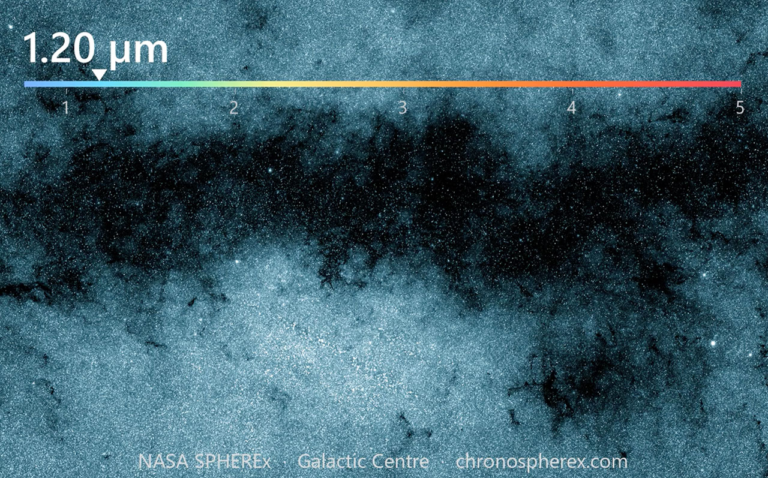
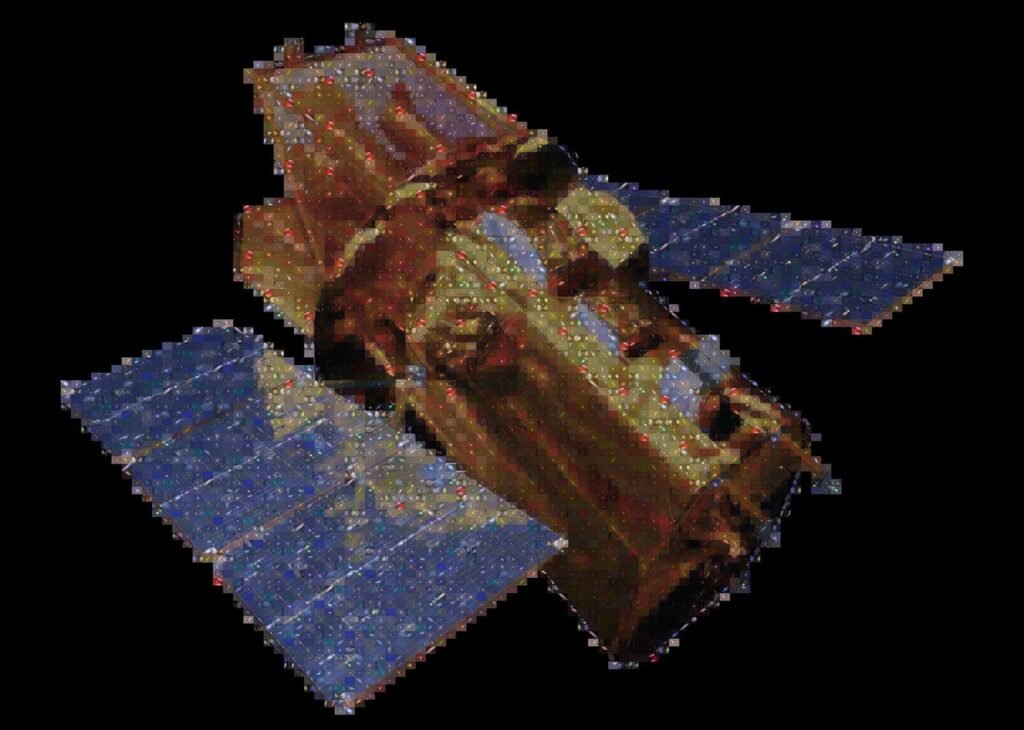
The featured image of the observatory is a mosaic created in 2018, which compiled the first one million images captured by the satellite’s Ultraviolet/Optical Telescope. While the observatory burned upon reentry like a shooting star, the data collected over its two decades of operation remains available for future scientific research.